

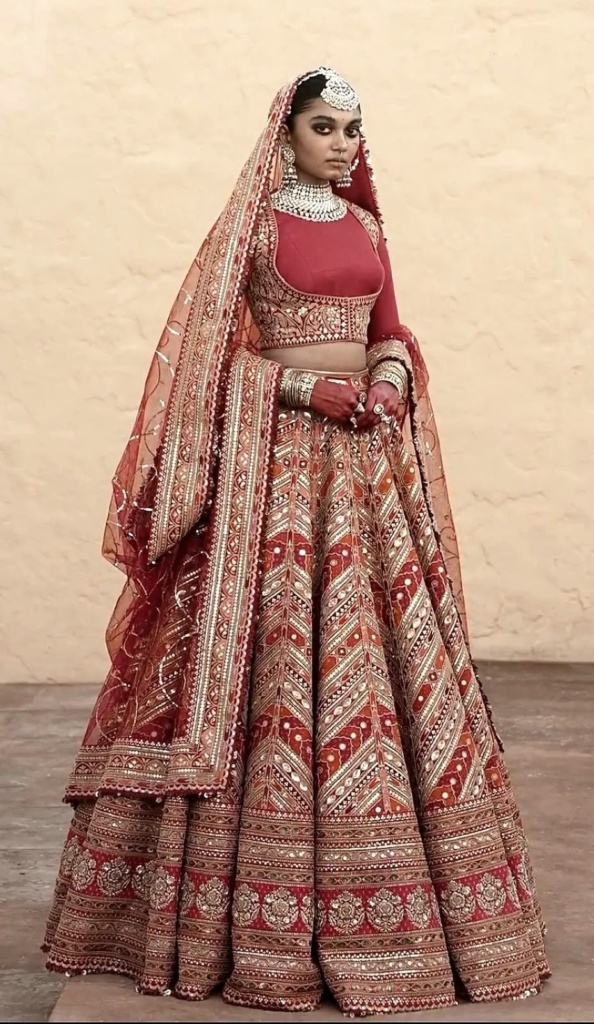
Every bride remembers the moment she found "the outfit" — the one that made her stop scrolling, stop comparing, and just know. But here's what most bridal shopping guides won't tell you: the outfit is only half the story. The ornaments you pair with it are what turn a beautiful lehenga, saree, or gown into a complete bridal look that photographs beautifully and feels unforgettable in person.
This guide breaks down exactly how to match your bridal outfit with the right ornaments. From color theory to metal choice to regional jewelry styles so you can walk down the aisle or the mandap with total confidence. So let's finalize the amazing outfit for you.
Step 1: The Color Palette
Red, Maroon & Deep Wine Outfit
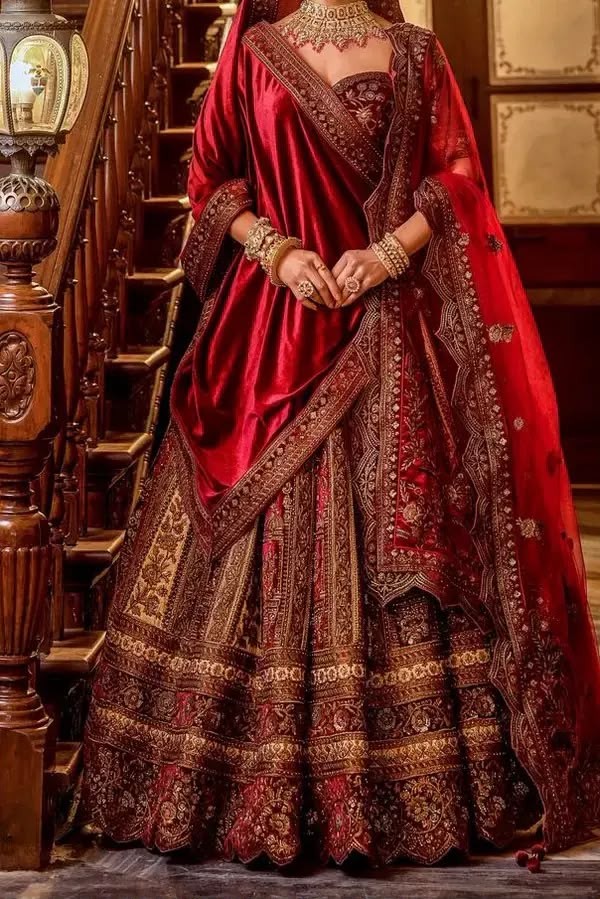
There are cultural, symbolic, and practical reasons these three shades dominate bridal wardrobes. Here's why they work so well for the big day.
Red is deeply rooted in as the color of Shakti (feminine power), fertility, and marital prosperity. Red is considered the most auspicious color for weddings. Red also has strong ties to Sindoor and Chooda traditions, tying the outfit color to broader wedding rituals.
Maroon carries the same auspicious weight as red but with added gravitas. It's often linked with royal Rajasthani and Mughal-era bridal traditions, giving it a sense of heritage and status. Brides who want to honor tradition without the boldness of pure red often gravitate here.
Deep wine doesn't have centuries of ritual significance the way red does . It's a modern reinterpretation that keeps the emotional register (rich, warm, romantic) while feeling fresh and less "expected." It lets the brides feel connected to the culture without looking identical to every other red-clad bride at the wedding season.
Practical & Aesthetic Reasons
- Skin tone flattery: All three are warm jewel tones that complement most skin tones beautifully.
- Photography: Rich, saturated colors like these pop against typical wedding backdrops like marigold decor, string lights, mandaps and photograph richly in both daylight and evening lighting.
- Visibility & presence: As the center of attention, a bride in deep red or wine naturally draws the eye across a crowded hall.
Many brides simply say these colors feel like a wedding — bold, warm, celebratory, a little dramatic. Red, maroon & wine colors carry weight, tradition, and a sense of occasion that matches the emotional intensity of the day itself.
These rich, traditional tones pair beautifully with antique gold jewelry, kundan sets, or polki jewelry with ruby or garnet accents. Avoid overly bright silver-tone pieces, which can clash with warm reds.
Pastel & Light-Toned Outfit (Blush, Ivory, Mint)
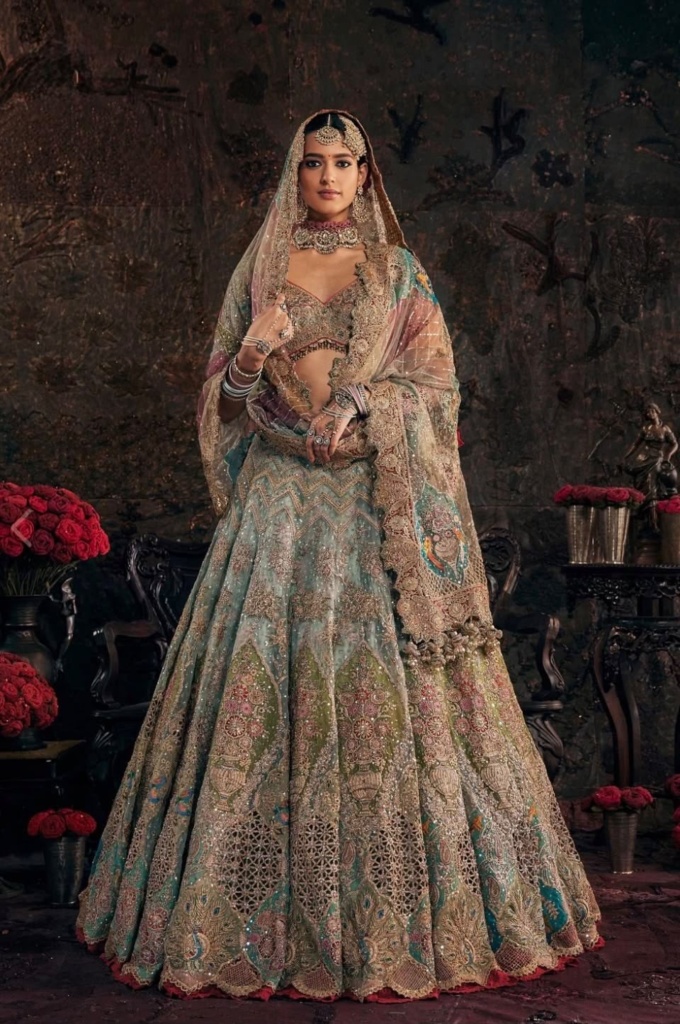
Pastel and light-toned bridal outfits represent the modern shift in bridal fashion. Here's a detailed breakdown.
Blush is a soft pink-nude tone that has become one of the most popular choices for reception, engagement, and cocktail looks. It is ideal for daytime ceremonies, garden weddings, or brides wanting an ethereal, editorial look.
Ivory is the a soft off-white that reads as elegant and bridal in a Western sense while still allowing gold or silver embroidery to shine against it. It is ideal for elegant, timeless, bride.
Mint is the boldest color palate. A cool, fresh pastel that's become popular for mehendi, haldi or pre-wedding functions and occasionally for reception looks by brides who want something completely unexpected. It is ideal for pre-wedding functions and outdoor daytime events, especially in floral or garden settings.
Practical & Aesthetic Reasons
- Skin & lighting versatility: Pastels photograph beautifully in natural daylight, which suits the trend toward daytime and outdoor wedding photography.
- Personal expression: Many contemporary brides see pastels as a way to feel like "themselves".
These can pair them with rose gold ornaments, pearl jewelry sets, or delicate diamond-look pieces, gold kundan or oxidized silver rather than heavy, dark-stone jewelry that can overpower the soft palette.
Gold, Champagne & Yellow Outfit
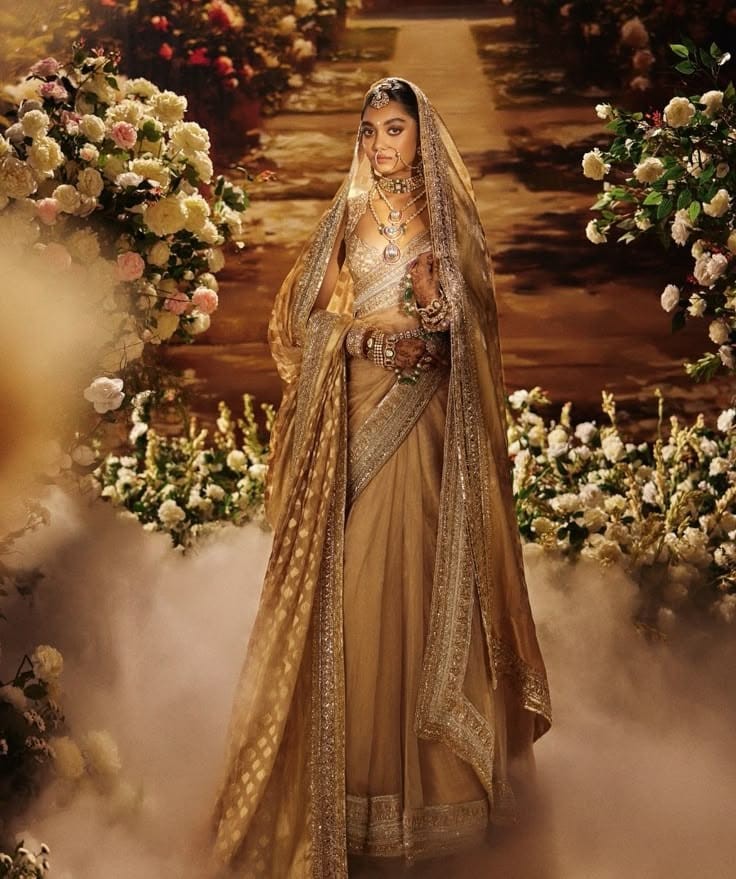
Here's why gold, champagne, and yellow work beautifully on any bride:
Gold is for grandeur & tradition espiscally for the main event energy. Its symbolism prosperity & divinity
Champagne is for softness & modern elegance for reception or fusion energy. Its symbolism elegance, subtlety & modern sophistication
Yellow is for joy & ritualfor haldi or day-function energy. Its symbolism joy, purity & new beginnings.
Practical & Aesthetic Reasons
- Flattering Under Lighting: Weddings often involve warm string lights so gold and champagne tones glow beautifully under these conditions.
- Rich Fabric & Embroidery Showcase: Gold and champagne bases make intricate zari, zardozi, and gota-patti embroidery pop, giving that luxurious, regal finish to all the bride.
- Photographs Stunningly for Social Media & Albums: These color palette has natural shimmer and depth, creating rich editorial wedding photography and Instagram-worthy moments that couples want to relive forever.
Goes well with temple jewelry, classic gold necklace sets, or jadau ornaments to complement the look. Kundan or polki goes well with champagne and gold outfit. Let the jewelry become the star, creating a seamless, opulent look.
Pastel Blues, Greens & Unconventional Outfit
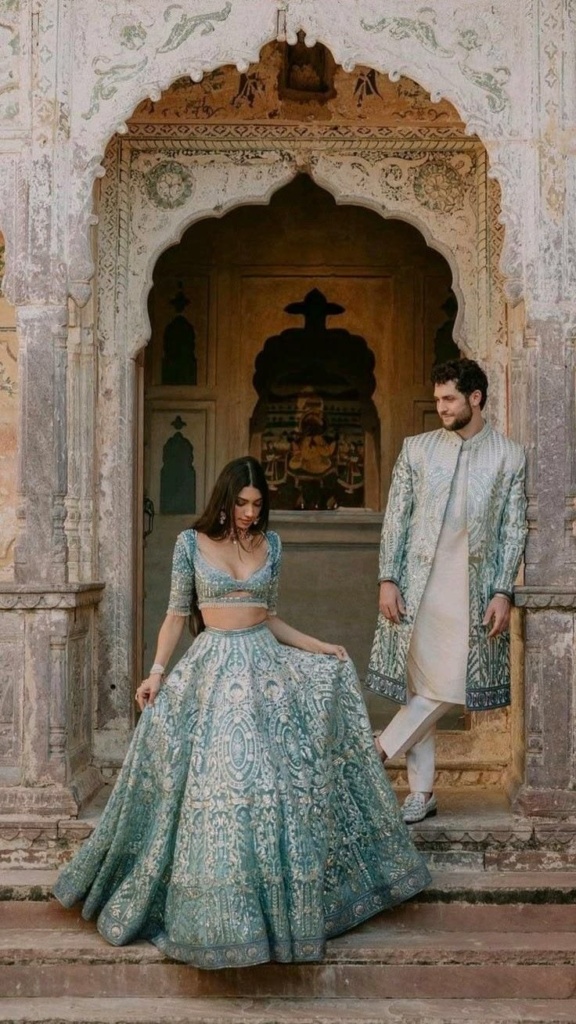
Modern brides are increasingly embrace pastel blues, greens, and other unconventional shades. Here's the complete breakdown:
Pastel Blue depicts calm, royalty, serenity and give a vibes of serene and modern-royal espicially for reception, destination wedding.
Pastel Green depicts growth, freshness, renewal and give a vibes of botanical, romantic espicially for mehendi, daytime functions.
Unconventional Colors Popularly Like
- Blush Pink or Rose — romantic, soft femininity, great for daytime events.
- Lavender/Lilac — dreamy, whimsical, popular for Sangeet or cocktail nights.
- Ivory/Off-white — modern minimalism with a nod to Western elegance, still auspicious when paired with gold detailing.
- Deep Emerald or Teal — bold jewel tone alternative for brides wanting drama without red.
Step 2: Choose the Right Jewelry Set Style
Not all bridal jewelry sets serve the same purpose. Here's a quick breakdown:
- Kundan Sets paired with Silk Sarees & Heavy Lehenga:
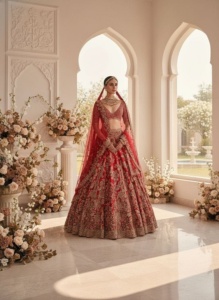
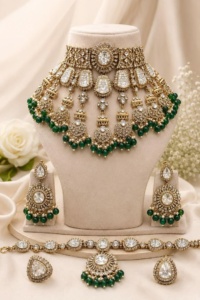
Kundan jewelry sets are the classic, ultimate pairing for silk sarees and heavy bridal lehengas. Celebrating for their intricate gold-foiled stone work that radiates old-world royal charm. When paired with rich silk sarees like Kanjeevaram or Banarasi, Kundan sets including elaborate necklaces, jhumkas, maang tikas, and bangles complement the fabric's natural sheen and heavy zari borders which creates a regal look for the brides. On heavy lehengas laden with zardozi or gota-patti embroidery, Kundan sets add layered opulence without overwhelming the outfit, since their uncut, polished stones and enamel work often in reds, greens, and whites echo the same color families used in bridal embroidery. This pairing works beautifully for main wedding ceremonies and receptions giving brides that unmistakable "heirloom heritage" aesthetic — timeless, luxurious, and deeply rooted to the tradition.
- Polki Jewelry paired with Royal & Regal outfit:
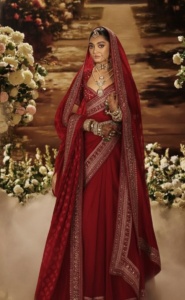
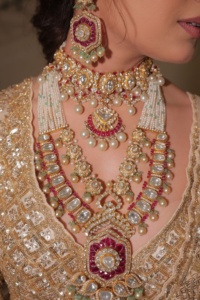
Polki jewelry crafted from uncut, natural diamonds set in gold which make itis the ultimate choice for brides seeking a truly royal and regal bridal look, exuding the same opulence once favored by Mughal and Rajput royalty. When paired with heavily embellished outfits like deep red or maroon lehengas, richly embroidered Banarasi sarees, or ornate bridal anarkalis, Polki sets — featuring statement necklaces, chandbalis, matha pattis, and layered haars — bring an understated yet luxurious sparkle that doesn't compete with heavy embroidery but rather elevates it with subtle, antique-gold radiance. Unlike the colorful enamel work of Kundan, Polki's white-diamond aesthetic against gold settings creates a striking contrast on jewel-toned fabrics (deep reds, emerald greens, royal blues), making it especially popular for main wedding ceremonies, royal-themed weddings, and brides wanting a heritage look with a touch of modern sophistication. This pairing is a favorite among brides drawing inspiration from royal Rajasthani or Mughal aesthetics, offering timeless grandeur that photographs beautifully under both natural and warm ceremonial lighting.
- Temple Jewelry paired with Silk Saree Outfit:
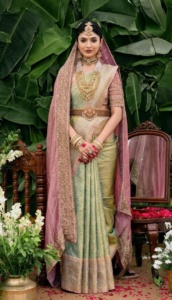
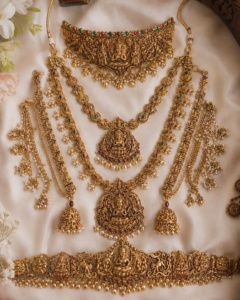
Temple jewelry gets its name because it was first made to decorate statues of gods and goddesses in South Indian temples and over time it became a favorite choice for brides. It is made of gold and often has small carvings of deities, peacocks, and lotus flowers, usually paired with rubies and emeralds, which gives it a rich, glowing look. A bride typically wears with a long necklace called a haram, a shorter choker-style necklace, jhumka earrings, an armlet called a vanki, a waist belt called an oddiyanam, a maang tikka on the forehead, and sometimes a small nose ring and gold hair accessories. This jewelry pairs beautifully with silk sarees like Kanjeevaram because these sarees are woven with real gold or silver thread along the borders and pallu. So the gold in the jewelry matches the gold in the saree and the whole look feels connected. Sarees in red, maroon, green, mustard, or cream with a gold border work best with this style. Brides choose this combination because it connects them to their cultural roots, gives them a sacred, goddess-like appearance, suits traditional rituals like the homam perfectly, and never really goes out of fashion, making it a timeless choice, usually worn for the main wedding ceremony and sometimes the reception as well.
- Minimal Diamond Sets paired with Modern gowns, fusion Outfit:
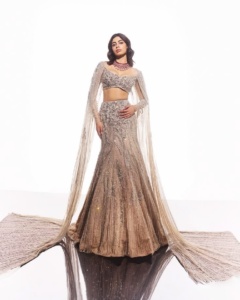
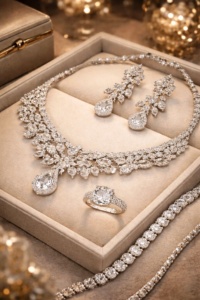
Minimal diamond sets have become the go-to choice for brides who want a modern, understated look, especially when paired with contemporary outfits like flowing gowns, Indo-western dresses, or fusion lehengas. Unlike heavy traditional jewelry, these sets usually include a delicate necklace, drop earrings, and sometimes a thin bracelet, all designed to add a subtle sparkle without overpowering the outfit. This pairing works especially well for pre-wedding events, cocktail parties, receptions, or destination weddings, where brides want an elegant, sophisticated look. Diamonds also go well with almost any color or fabric, whether it's a pastel gown, an off-shoulder dress, or a fusion outfit mixing Indian and Western elements. As the clean, sparkling stones complement rather than clash with modern silhouettes and simpler embroidery. Many brides today choose this combination because it feels fresh, comfortable to wear for long hours, and photographs beautifully, giving a soft, luxurious glow instead of a bold, heavy statement. This style is especially popular among brides who want their look to feel personal, elegant, and camera-ready, while still keeping a sense of understated glamour throughout the event.
- Meenakari & Kundan Mix paired with Colorful, embroidered lehengas:
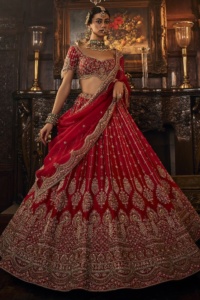
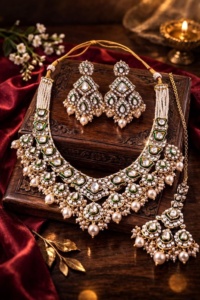
Meenakari and Kundan mix jewelry brings together two beautiful traditional crafts, where colorful enamel work called Meenakari is combined with the polished, uncut stones of Kundan, creating pieces that are both vibrant and elegant at the same time. Meenakari adds bright colors like pink, green, blue, and red to the back or front of the jewelry, while Kundan adds a sparkling, layered look with its stone setting, so together they create a rich, festive piece that stands out beautifully. This combination pairs wonderfully with colorful, heavily embroidered lehengas. As the many shades in Meenakari work can be matched with the different colors used in the lehenga's threadwork, sequins, and mirror work, making the entire outfit feel cohesive and lively. This style is especially popular for Sangeet, Mehendi, or reception functions, where brides want their outfit to feel festive, colorful, and full of energy. Many brides love this combination because it allows for more creative freedom with color, letting them match their jewelry to the exact shade of their outfit, whether it's a bright pink lehenga, a royal blue ensemble, or a multicolored fusion outfit. Overall, Meenakari and Kundan mix jewelry gives brides a joyful, artistic, and eye-catching look that beautifully complements the vibrant, celebratory spirit of colorful lehengas.
Step 3:Balance the Weight of Your Look
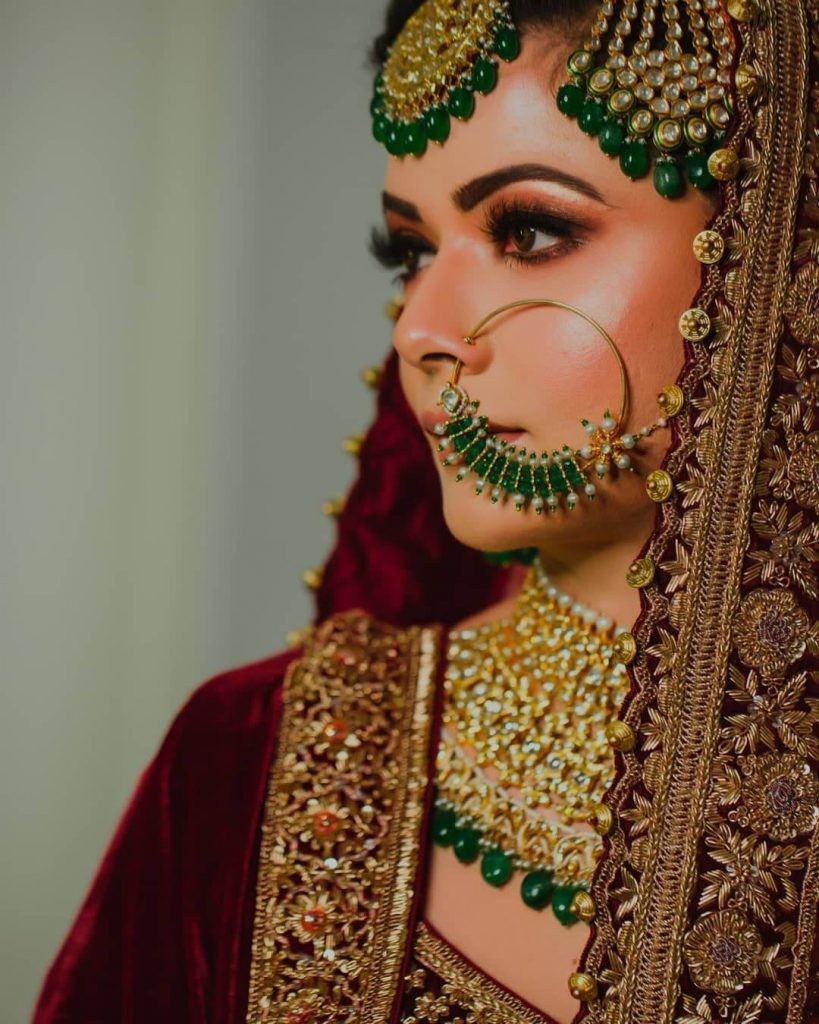
Balancing the weight of your bridal look is all about creating harmony between your outfit and your jewelry. So that one enhances the other instead of competing for attention. If your lehenga or saree already has heavy zardozi, zari, or embroidery work covering the fabric, with heavy jewelry set on top can make the overall look feel cluttered and overwhelming rather than elegant. In this case, choosing a lighter jewelry set like delicate earrings, a slim necklace, or just a simple maang tikka allows the outfit's craftsmanship to remain the star of the look, while the jewelry adds just enough sparkle to complete it. On the other hand, if you're wearing something simpler like a plain minimal sleek silk saree or minimalist gown, this is the perfect opportunity to go bold with your jewelry. A statement necklace, an elaborate maang tikka, or a heavily detailed choker can become the focal point of your bridal look, adding drama and richness that the outfit itself doesn't provide.
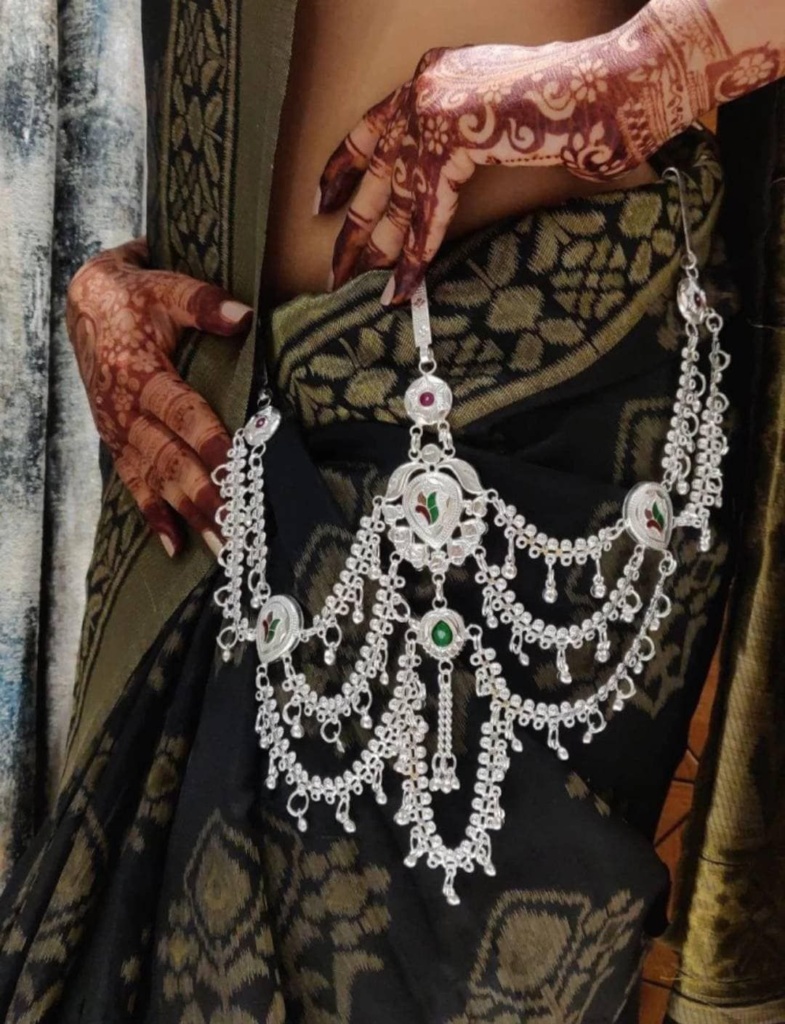
Beyond the main pieces, smaller jewelry items can add beautiful finishing touches to your overall bridal appearance. A maang tikka draws attention to the center of the forehead, framing the face elegantly. A nose ring, whether a simple stud or an elaborate hoop with chain, adds a traditional charm and highlights the profile beautifully in photographs. Toe rings, though small and often overlooked, hold cultural significance in many traditions and add a subtle, graceful detail when the bride's feet are visible during rituals. A waist belt, especially popular with sarees and lehengas, cinches the silhouette and adds a regal touch, often becoming a striking detail in candid and posed photography alike. Together, these smaller pieces help complete the bridal look, ensuring every detail — from head to toe — feels intentional, elegant, and true to the "epic" moment being celebrated.
Step 4: Match Across Multiple Wedding Functions
Every brides have 3–5 outfit changes across their wedding events. Wedding functions like mehendi, haldi, sangeet, the wedding ceremony and reception each with its own mood. So "matching across functions" means planning outfits, colors, and styling that feel connected without being repetitive. Rather than wearing unrelated looks at each event, many couples and families choose a common thread: soft pastels for haldi, vibrant hues for sangeet, richer tones for the wedding, and elegant metallics for the reception. It helps to lock broad palette and fabric direction early then customize embellishment and cut can be made for each specific occasion. Instead of buying entirely new jewelry for each function, plan a jewelry wardrobe:
- Mehandi & Haldi
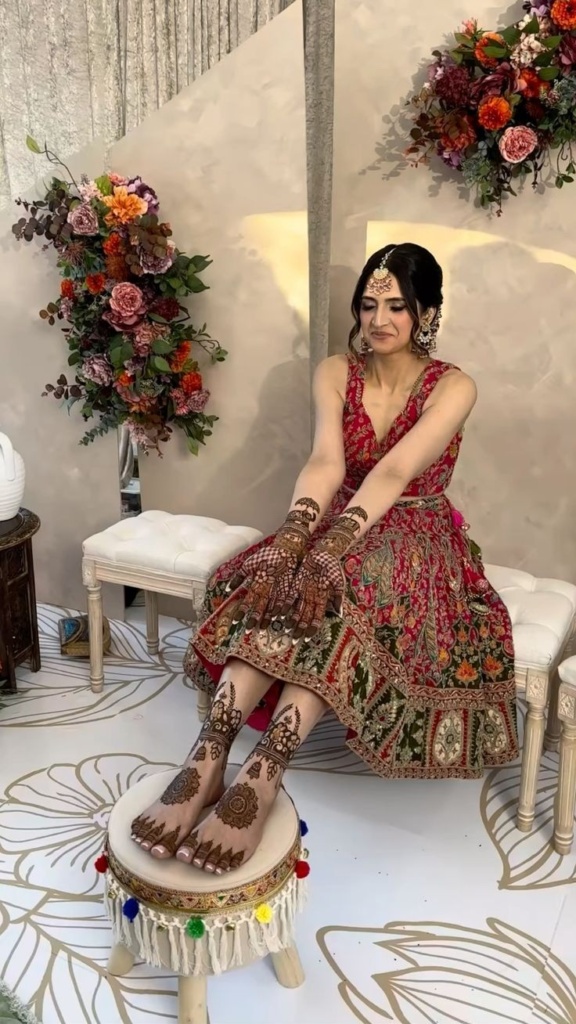
Starting with the Mehndi in the morning, since this function tends to stretch on for hours with everyone getting mehndi applied turn by turn, comfort really matters as much as looks. A cotton or georgette lehenga in mint, coral, or even a multi-coloured print with mirror work adds a lot of festive charm without feeling heavy. If you'd rather not do a lehenga, a flared anarkali suit in similar colours with comfortable palazzo pants is a lovely alternative and photographs beautifully when you're sitting cross-legged. For jewellery, a choker, maang tikka, and jhumkas all made from fresh flowers like marigold, roses, and mogra strung together, or if you want something reusable, oxidised silver with colourful stones gives the same earthy, festive vibe. Keep your hands relatively bare of rings before the mehndi session so the artist has a clear canvas, and add bangles or a delicate hathphool after your mehndi has dried.
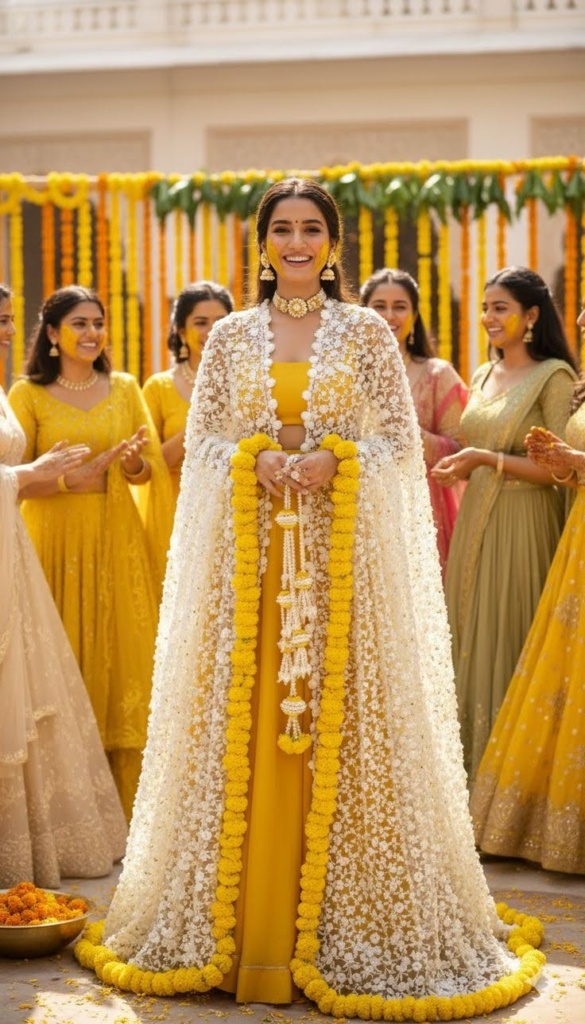
For the Haldi, also a daytime function, the focus is entirely on yellow, both because it's auspicious and because it hides turmeric stains well. A simple cotton or chanderi saree draped loosely, or an unstitched lehenga set with a basic blouse, works best since you want fabric that's easy to wash or that you won't mind getting a little messy. Sleeves should be short or the blouse sleeveless so relatives can easily apply haldi paste on your arms, shoulders, and face. Skip delicate or expensive jewellery entirely here, turmeric paste can dull or stain gold, so oxidised silver, wooden beads, or a floral set again works wonderfully. Many brides also like a small yellow or white flower gajra woven into a simple braid or bun for a fresh, natural look.
- Sangeet
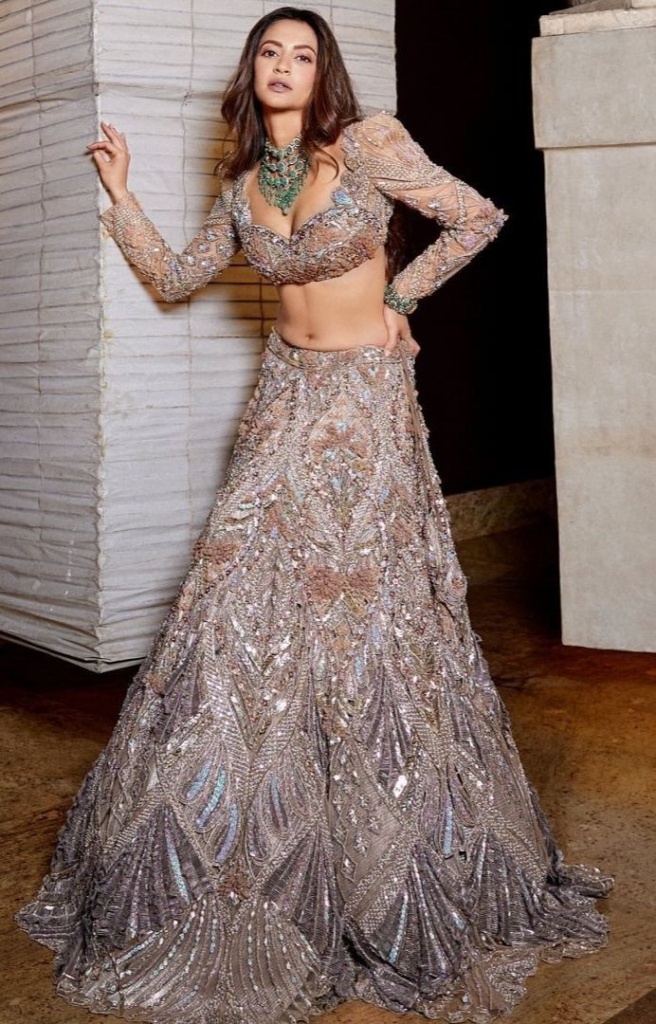
For the Sangeet, since it usually happens under bright stage lights and a lot of flash photography. The key is choosing pieces that catch and reflect light rather than absorb it, which is exactly why gowns with sequins, metallic threadwork, or a bit of shimmer tend to photograph so much better than plain matte fabrics.A western gown for the Sangeet works beautifully because it gives you freedom to move on the dance floor while still looking dramatic on camera. Deep emerald or forest green is a fantastic choice here, it reads richly on stage under warm lighting, contrasts strikingly against gold or diamond jewellery. A fitted mermaid or A-line silhouette in emerald green with sequin or stone embellishment scattered across the bodice catches light beautifully every time you move, which matters a lot during a dance performance. If you want something with a bit more drama for entrances and twirls, a gown with a flowing cape sleeve or a thigh-high slit adds movement that looks stunning in videos. When it comes to jewellery, you have two directions that both work wonderfully with a gown. Going with diamond jewellery creates an elegant contrast, a diamond choker or a diamond drop necklace with matching diamond stud or drop earrings looks refined and glamorous. Keep the piece a touch bold, a statement choker or a layered necklace works far better under stage lighting than a delicate, which can practically disappear in photos taken from a distance.
On the finishing touches, a subtle hair clip, or even a delicate green stone hairpiece tucked into a loose wave or updo adds a nice bit of sparkle without overwhelming the look, and a metallic clutch in gold or silver ties everything together while still being practical enough to carry around during a night of dancing and photos.
- Wedding Ceremony
For the wedding ceremony (Pheras), the outfit and jewellery should feel like the pinnacle of the entire wedding, rich, heavy, and unmistakably bridal. A red or maroon lehenga with dense zardozi, gota-patti, or zari embroidery is the classic choice often paired with a heavily worked dupatta that can be draped over the head during the rituals. Jewellery goes like a bridal set in gold, kundan, or polki with a choker, a long layered haar, jhumkas, a maang tikka, and a nath if it's part of your tradition, along with a kamarbandh at the waist and bangles stacked up both arms connected to a hathphool. And lovely news, we've already covered this bridal look in beautiful detail above, so please do feel free to scroll up and revisit it whenever you'd like.
- Reception
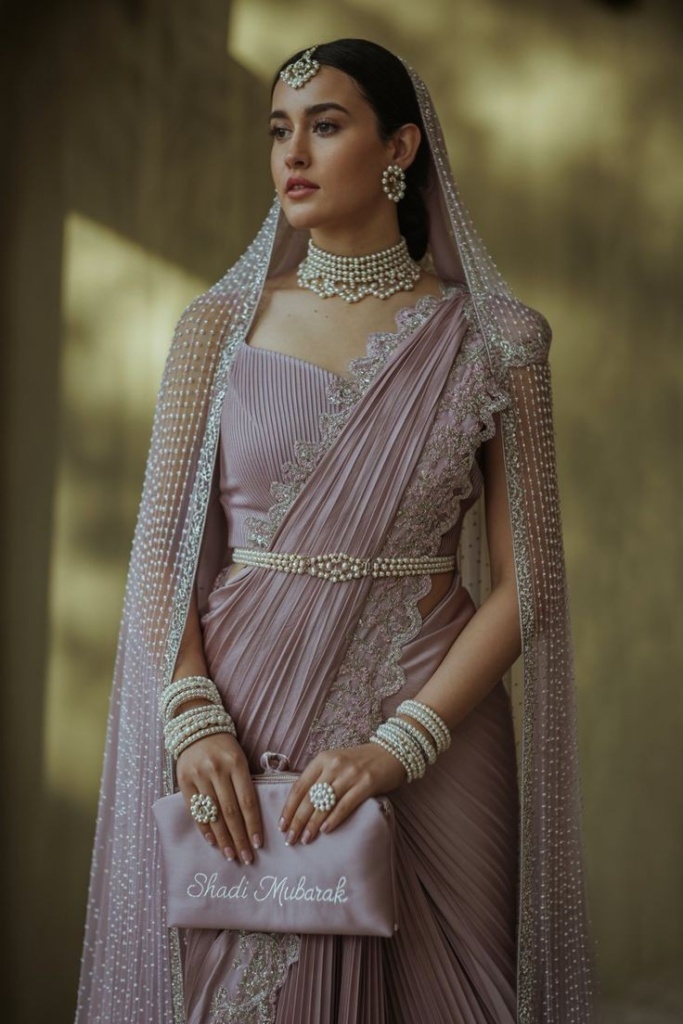
For the Reception, this is your chance to step away from tradition just a little and embrace something sleek, modern, and effortlessly glamorous.In reception, lighter and more contemporary tones tend to feel like a refreshing change. Think blush pink, champagne gold, silver, powder blue, or even a bold deep navy, these shades feel elegant. In terms of silhouette, a fitted gown with clean lines, a sleek pre-draped saree, or a lehenga with lighter, more minimal embroidery all work wonderfully here. Jewellery for the reception should feel refined rather than elaborate. A diamond or polki necklace paired with matching earrings is a gorgeous, versatile choice since diamonds naturally complement almost any gown colour and add a soft sparkle without overwhelming the outfit. If your gown already has embellishment like sequins, beading, or a statement neckline, you might even skip the necklace altogether and let a pair of elegant drop earrings or a delicate bracelet be the only jewellery you wear. This understated approach often looks even more polished and modern. A sleek clutch and minimal, well-groomed hair, whether sleek and open or in a low bun, complete the sophisticated, contemporary look you're going for.
Your bridal outfit tells the world about your style, and your ornaments tell the story of your heritage, your personality, and the little details you cared enough to get right. Every drape, every stone, is a chapter of your journey. Together they weave into a story that lasts far beyond the wedding day itself.That's exactly why we're here, let's plan it all together, so your wedding photos capture not just an event, but a timeless story that you'll cherish for a lifetime.
With Wedepic by your side, you're never planning alone. From the first Mehndi hue to the final Reception sparkle, Wedepic brings expert curation, trusted vendors, and a seamless planning experience so every outfit and every ornament comes together effortlessly, letting you simply enjoy being the bride. Because your wedding deserves nothing less than epic.
About us and this blog
We are a digital marketing company with a focus on helping our customers achieve great results across several key areas.
Request a free quote
We offer professional SEO services that help websites increase their organic search score drastically in order to compete for the highest rankings even when it comes to highly competitive keywords.