
How to Plan a Menu Your Guests Will Actually Remember
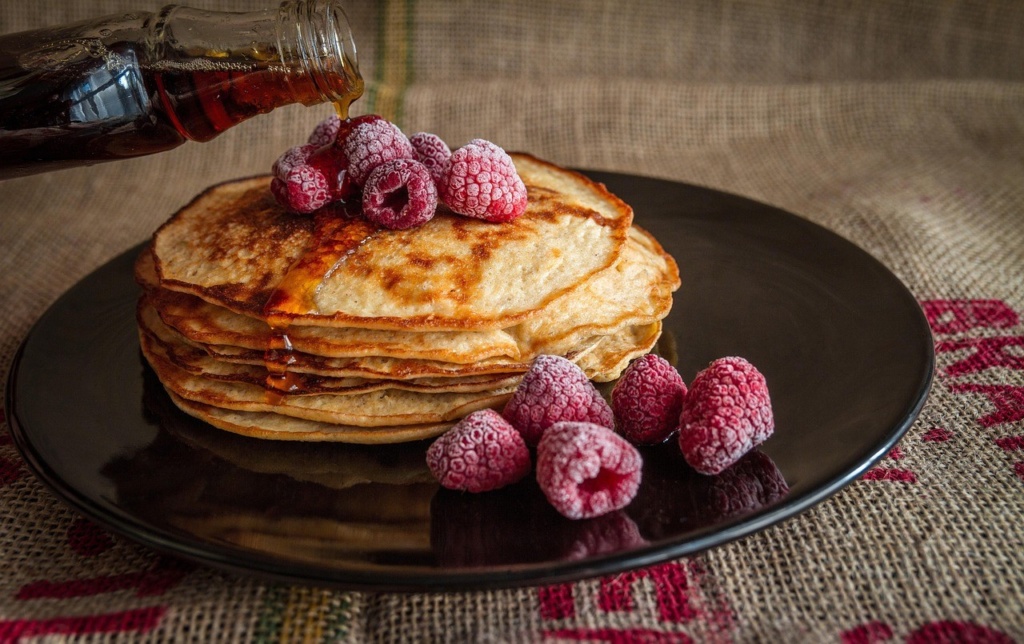
Guests remember a wedding in stories, and one of the first things they recall is the food. And it makes sense: guests forget the exact shade of your table linens, but they remember the taco station they went back three times, or the late-night slider bar that saved the dance floor at midnight. At Wedding Catering, we believe every dish served on your big day should feel as intentional and special as the celebration itself. From vibrant live counters to elegant plated courses, we explore menus, trends, and flavors that turn a meal into a memory.
Welcome to the table where love and great food come together.
How Much Does Wedding Catering Actually Cost?
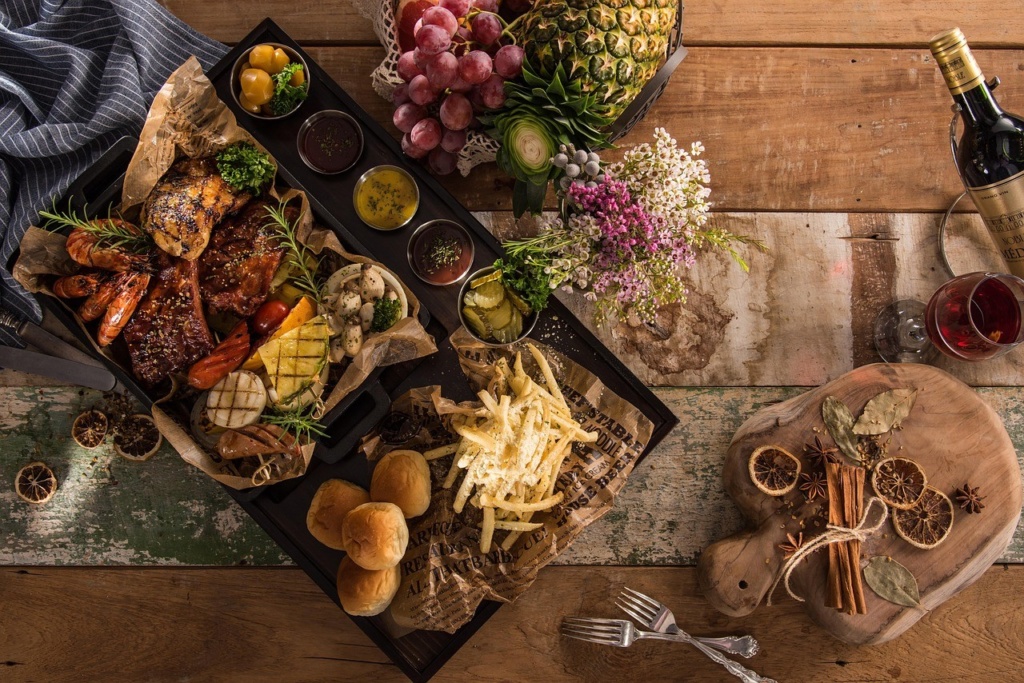
Wedding catering costs in India may vary depending on tier, city, and menu style. At the budget end, basic vegetarian meals with simple local dishes and minimal live counters run around ₹400–800 per plate. Mid-range catering, the tier most Indian weddings actually fall into, comes from regional caterer chains offering 15–18 dishes with 1–2 live counters, typically priced between ₹1,200 and ₹2,000 per plate. Premium multi-cuisine catering, with 4–5 live counters and a full dessert spread, runs ₹2,500–4,000 per plate, while luxury 5-star catering with chef stations and imported ingredients climbs to ₹4,000–8,000 per plate, going as high as ₹8,000–15,000 for in-house hotel catering from names like Taj, ITC, or Leela. For non-vegetarian dishes add extra per plate over a veg-only menu, live counters and plated service cost more than a simple buffet, premium proteins like lamb, prawns or fish raise the price further and city tier matters a lot too. Season also plays a big role, with peak wedding season (November–February) pushing catering charges up 25–40% compared to off-season months like July–September. In terms of total budget, a 500-guest wedding typically costs ₹2.5–4 lakh for budget catering, ₹6–9 lakh for standard, and ₹10–15 lakh for premium.
Choosing a Service Style
PLATED DINNER
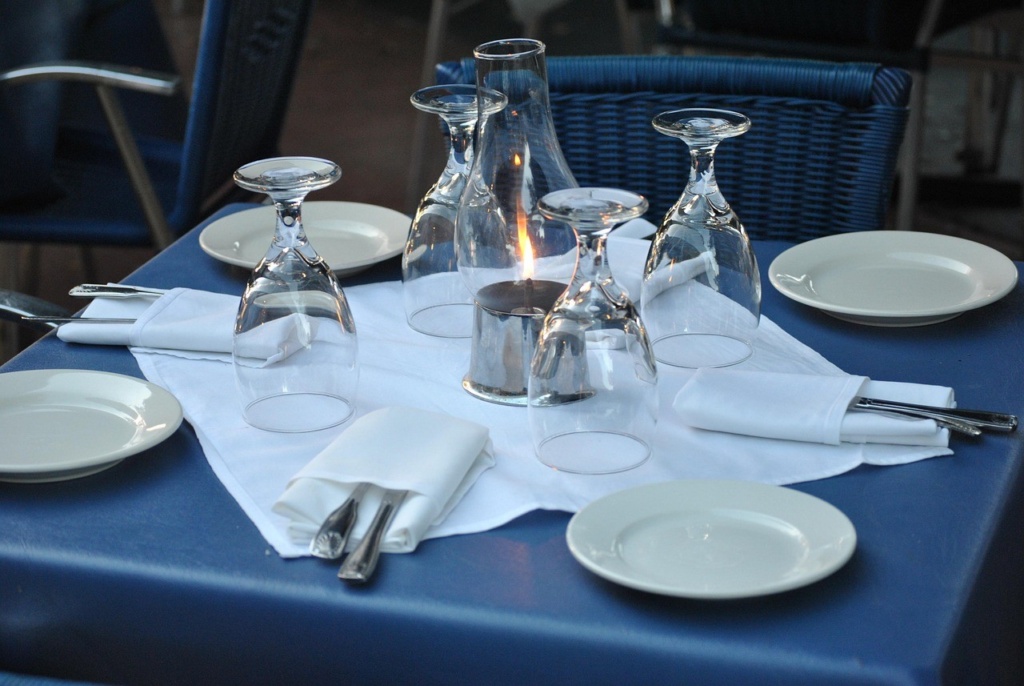
A plated dinner is the more formal, sit-down style of wedding catering, where waitstaff serve guests pre-portioned courses at their table instead of guests walking up to live counters and serving themselves buffet-style. It's less common at large Indian weddings, since buffets handle high guest volume more easily, but it's growing in popularity for the main wedding dinner or reception. It costs more than a buffet mainly because of labor and precision. It does reduce food waste through portion control, but the added staffing and plating work push the per-plate price up by roughly 20–40% over an equivalent buffet menu. In terms of budget, basic plated dinners run ₹1,000–2,000 per plate for a simple three to four course meal at a smaller banquet venue, mid-range plated service costs ₹1,800–3,200 per plate with better presentation and proper staffing ratios at city banquet halls, premium plated dinners from established caterers run ₹2,000–3,500 per plate with select multi-course options, and luxury plated dinners at hotel-grade venues like Taj, Oberoi, ITC, or Leela run ₹3,500–8,500 or more per plate with full multi-course service and premium ingredients. For a 300-guest wedding, the catering portion alone at these premium-to-luxury rates would come to roughly ₹7.5–25 lakh. Since actual pricing varies significantly by caterer and city.
BUFFET DINNER
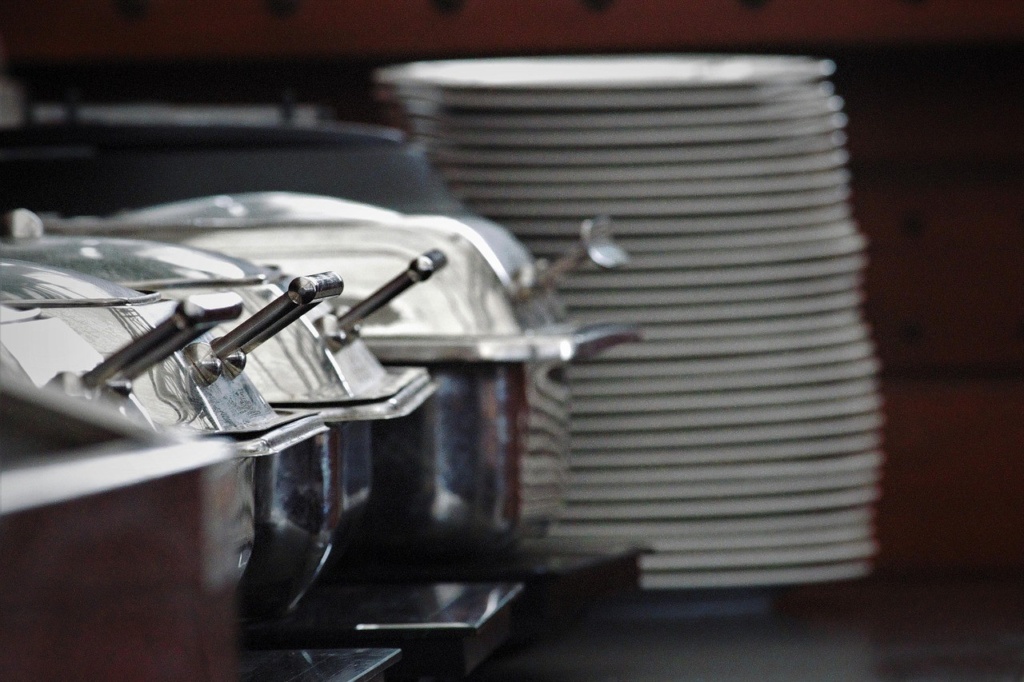
A buffet is the most common wedding catering style in India, where caterers lay out food across multiple stations or counters and guests serve themselves, often with live counters where chefs prepare dishes fresh in front of guests. It's the default choice for most Indian weddings because it handles large guest counts efficiently, offers more variety since guests can pick and choose across many dishes, and needs far less waitstaff than a plated dinner, which keeps costs comparatively lower. This style sacrifices formality and risks more food wastage if caterers don't manage portions well. A common rule of thumb is one live counter per 80–100 guests to keep wait times under 10 minutes. In terms of budget, basic vegetarian buffets run ₹400–1,200 per plate for a simple spread of 8–12 dishes with no live counters, suited to smaller or community-hall weddings. Standard buffets with a broader multi-cuisine spread and a couple of live counters cost ₹1,200–2,500 per plate, which is where most mid-range Indian weddings sit. Premium buffets with 4–5 live counters, 20-plus dishes, and a fuller dessert spread run ₹2,500–4,000 per plate, while luxury 5-star buffets with 8 or more live counters, chef-action stations, and imported ingredients go for ₹4,000–8,000 per plate, climbing to ₹8,000–15,000 for in-house hotel catering from names like Taj, ITC, or Leela. Non-vegetarian dishes typically add ₹100–500 extra per plate over a veg-only spread. City tier plays a role too, with village or rural venues running as low as ₹300–900 per plate using traditional cooking methods and local ingredients. For a 400-guest wedding with four catered events (Mehendi, Sangeet, wedding meal, and reception), total catering cost at ₹2,500 per plate works out to roughly ₹40 lakh, rising to ₹56 lakh at ₹3,500 per plate and ₹80 lakh at ₹5,000 per plate.
INTERACTIVE STATIONS DINNER
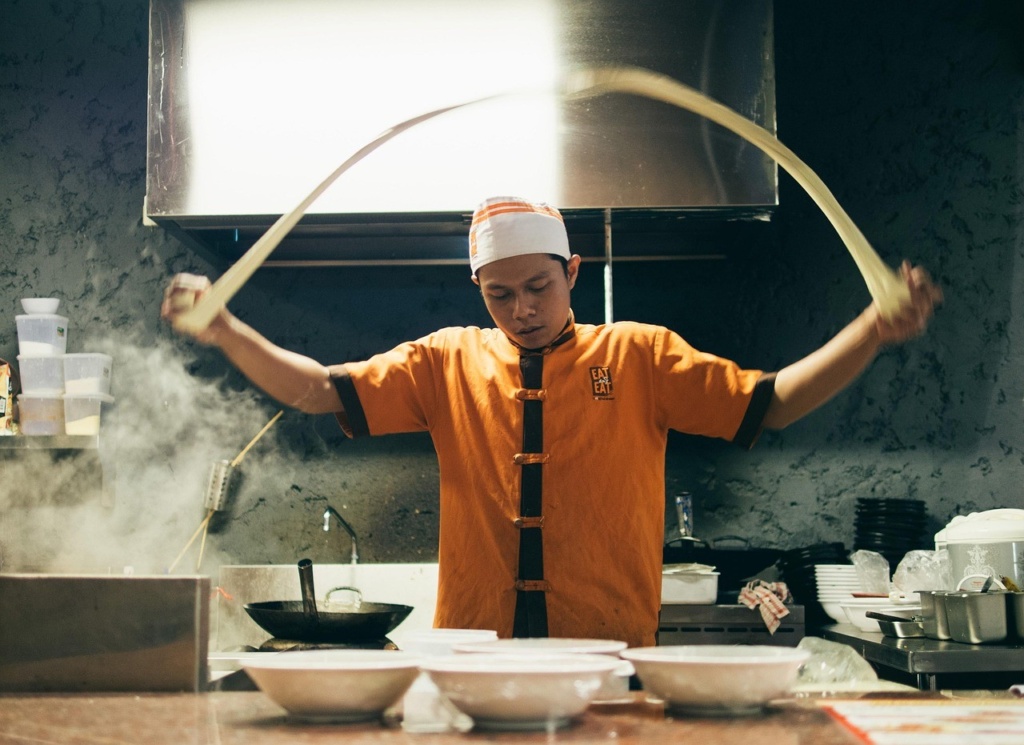
Interactive stations, also called live counters or chef-action stations, are food setups where chefs prepare dishes fresh in front of guests rather than serving pre-cooked food from trays. Now it has become one of the biggest trends in Indian wedding catering. Guests can watch chefs assemble their chaat, toss their pasta to order, make their dosa fresh on a griddle, or grill their kebabs live, which makes the food feel more special and gives people something to do and talk about while they eat rather than just moving through a line. Popular options in India include chaat and golgappa counters, live dosa or uttapam stations, pasta and risotto bars, kebab and tandoor grills, sushi or oyster bars for premium weddings, mocktail or cocktail mixology counters, and dessert stations like live jalebi, kulfi, or ice cream with mix-in toppings. Because each station needs a dedicated chef. With specialized equipment, and often fresh ingredients prepared on the spot. Interactive stations cost meaningfully more than standard buffet dishes served from trays. In terms of budget, basic interactive stations like chaat, dosa, or simple grill counters typically add ₹150–400 per plate on top of your base buffet cost, mid-range stations like pasta bars, tandoor grills, or mocktail counters run ₹300–600 per plate extra, and premium stations like sushi, oyster bars, or elaborate dessert setups can add ₹500–1,500 or more per plate. For couples on a budget, a practical approach is to pick two or three signature stations that guests will remember, like a chaat counter and a live dessert station, rather than spreading the budget thin across many stations.
What's Actually Trending: Menus nowadays tell a story
- Hyper-personalized menus:
Hyper-personalized menus refer to a tailored catering approach where caterers customize the wedding menu for each couple and even for individual guests, based on personal tastes, regional and family traditions, dietary restrictions, and religious or cultural food requirements. All while staying within a specific budget set by the family for the food and catering segment of the wedding. Instead of choosing from a fixed catering package, the couple works with wedding-planner that use data such as guest list demographics, preferred cuisines, common allergies, elder family members health needs, ratio of vegetarian to non-vegetarian guests to create a curated set of menu options that fit within the allocated budget per plate.
- Grazing tables and dessert walls:
Grazing tables and dessert walls are popular among wedding catering trends. A grazing table typically consists of a long table lavishly laid out with an assortment of cheeses, cured meats, fresh and dried fruits, nuts, olives, dips, crackers, breads, pickles, and sometimes regional Indian elements like chaat items, papads, or mini kebabs, all arranged in boards or slate. A dessert wall, on the other hand, is a vertical display structure, often a decorated wooden or acrylic paneled wall, fitted with hooks, shelves, or ledges that hold an array of sweets such as macarons, cupcakes, mini tarts, chocolate bars, cookies, and Indian mithai like kaju katli or modaks for the couple and guests.
- Elevated comfort food:
Elevated comfort food is a wedding catering trend where chefs reimagine familiar, nostalgic dishes that guests already know with premium ingredients, refined plating, and creative twists, transforming simple favorites into gourmet experiences that feel both comforting and celebratory at the same time. Instead of serving conventional wedding fare, couples opt for dishes like mac and cheese upgraded with truffle oil and aged gouda, butter chicken served in martini glasses, dal makhani with a smoked charcoal finish, or street-style pav bhaji plated with microgreens and served on slate boards, all designed to evoke a sense of familiarity while surprising guests with unexpected sophistication. This trend has gained popularity because it strikes an emotional chord, comfort food carries personal memories and cultural nostalgia, making guests feel at home even in a formal, high-end setting. From a budgeting perspective, elevated comfort food offers excellent flexibility since the base dishes themselves are often inexpensive to source, allowing couples to allocate more of their budget toward the quality upgrades, premium garnishes, or creative plating.
- Smart luxury pairing:
Smart luxury pairing is a wedding catering strategy where couples combine a few high-impact, premium elements with more cost-effective everyday dishes across the overall menu. Smart luxury pairing identifies the two or three signature moments that will genuinely wow guests and leave a lasting impression, such as a live seafood or sushi counter, an imported cheese and wine pairing corner, or a chocolate fountain with dippers.
- Inclusive, intentional bars:
Inclusive, intentional bars are a growing wedding trend where planners thoughtfully design beverage stations to ensure every guest enjoys the experience equally, regardless of whether they drink alcohol or not. Instead of the traditional model where alcoholic drinks get all the creative attention while non-drinkers get only basic soft drinks, inclusive bars give equal design, effort, and presentation to mocktails, zero-proof cocktails, artisanal sodas, shikanji, thandai, jaljeera, or aam panna. Bartenders often craft these with the same premium garnishes, glassware, and mixology techniques as their alcoholic counterparts so that non-drinking guests, elders, and pregnant guests never feel like they are settling for less. This trend mainly offers a fully dry mehendi or haldi function bar with beautifully presented mocktails for families who skip alcohol entirely. From a budgeting perspective, inclusive bars are highly flexible since mocktail and non-alcoholic ingredients are generally less expensive than premium spirits, allowing couples to redirect some savings into elevating presentation.
- Late-night snack stations:
Late-night snack stations are a wedding catering trend where caterers serve a secondary round of food later in the evening, typically after the main meal and during the dancing or after-party portion of the celebration. As sangeet nights and receptions running well past midnight, stretch guests' stamina through hours of dancing and socializing, a well-timed late-night station featuring items like mini sliders, cheesy fries, momos, kathi rolls, pav bhaji, masala maggi, wood-fired mini pizzas, bhel puri and pani puri served to guests. Caterers often design these stations with a fun, casual, food-truck-like or pop-up aesthetic. From a budgeting perspective, late-night snack stations are generally one of the more cost-effective additions to a wedding menu since portion sizes are smaller, ingredients are often simple and inexpensive.
Great wedding catering isn't about impressing anyone with the most elaborate menu. It's about creating moments guests actually engage with, and food that genuinely reflects who you are as a couple. Let Wedepic bring that vision to your plate. Contact us now and let's start crafting a menu as unique as your story.
More from our blog
See all posts