
How Much Does a Destination Wedding Cost? A Complete Budget Breakdown
The honest answer: it depends. But that's not helpful when you're trying to build a real budget, so let's break it down properly in every line item, every hidden cost, and every lever you can pull to spend less without feeling like you cut corners.
VENUE BOOKING
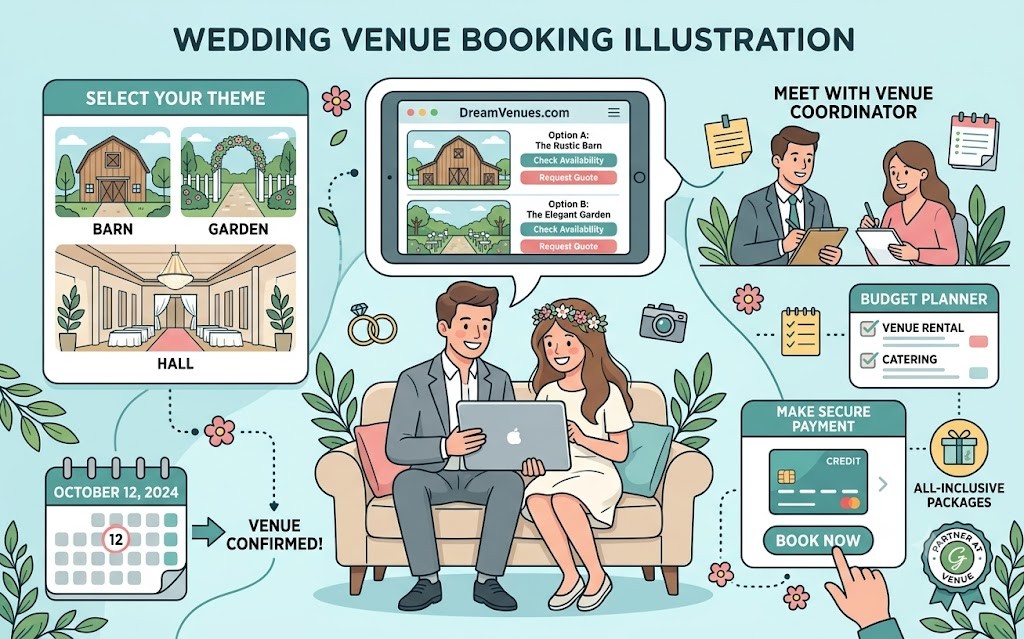
When it comes to venue booking for weddings, understanding the complete cost structure upfront helps couples plan without last-minute surprises. The venue rental or hire charge is the base cost for the space itself, typically calculated per day or per event, and varies depending on the season, location, and guest capacity. For larger celebrations, couples opt for a hotel buyout, where the entire property is reserved exclusively for the wedding party and guests. This is usually structured on a room-block basis, meaning pricing is tied to the number of rooms booked across the stay, offering privacy and convenience but at a premium cost. It's also important to account for multiple venue costs if the wedding spans several functions like mehendi, sangeet, ceremony, and reception, especially when each event is hosted in a different space within the property or at separate locations altogether each of these typically comes with its own rental charge. Lastly, almost every venue requires a security deposit, a refundable amount collected in advance to cover potential damages, overtime, or violations of house rules, and it's usually returned within a set period after the event concludes, provided everything is in order.
GUESTS TRAVEL & ACCOMMODATION
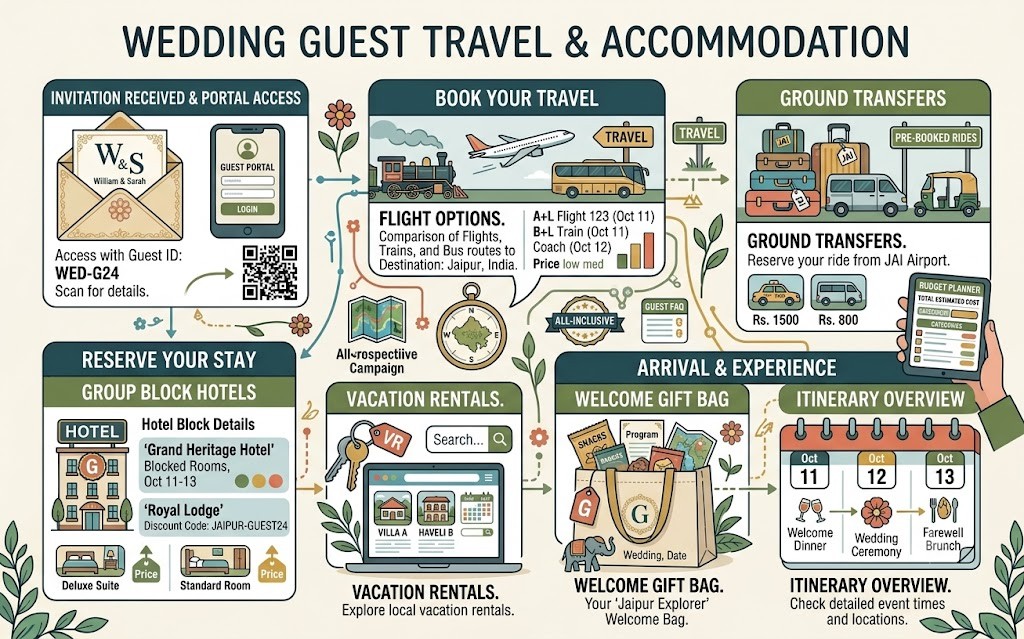
Guest travel and accommodation is one of the most detailed aspects of wedding planning, since it directly affects both guest experience and overall budget. The room block cost forms the foundation of this planning. All hotels typically quote rates per night and per room category, whether that's a standard room, a suite, or a private villa, with pricing scaling up as guests opt for more premium stays. Couples also need to clearly decide how many nights will be covered versus guest-paid, since some guests extend their stay in a wedding. It's equally important to factor in extra person or extra bed charges, which apply when more than the standard occupancy stays in a room. A common scenario with families or +1s as these add-ons can quietly inflate the final bill if not accounted for early. Lastly, couples should clarify early check-in and late check-out fees with the property in advance, since guests arriving before standard check-in time or extending their stay post-checkout, especially common on the final day, may incur additional charges unless these are pre-negotiated as part of the room block agreement.
CATERING & BAR

Catering and bar arrangements typically account for one of the largest portions of a wedding budget, so breaking down the costs clearly is essential for accurate planning. The per-person catering cost varies significantly depending on the meal type. A simple breakfast spread costs far less than a plated lunch, and a lavish gala dinner sits at the top end of the pricing scale, often including multiple courses and live counters. Since most weddings have several functions, it's important to remember that the number of functions requiring catering directly multiplies the F&B cost, as each event. The venue bills mehendi, sangeet, ceremony, and reception separately rather than bundling them into a single catering cost. Alongside food, the bar package needs careful consideration, whether couples choose a basic open bar, a premium liquor upgrade for top-shelf brands, or a curated mocktail. No wedding spread is complete without a cake or dessert table, and bakers typically price it separately based on design complexity, size, and flavor variety.
PHOTOGRAPHY & VIDEOGARPHY
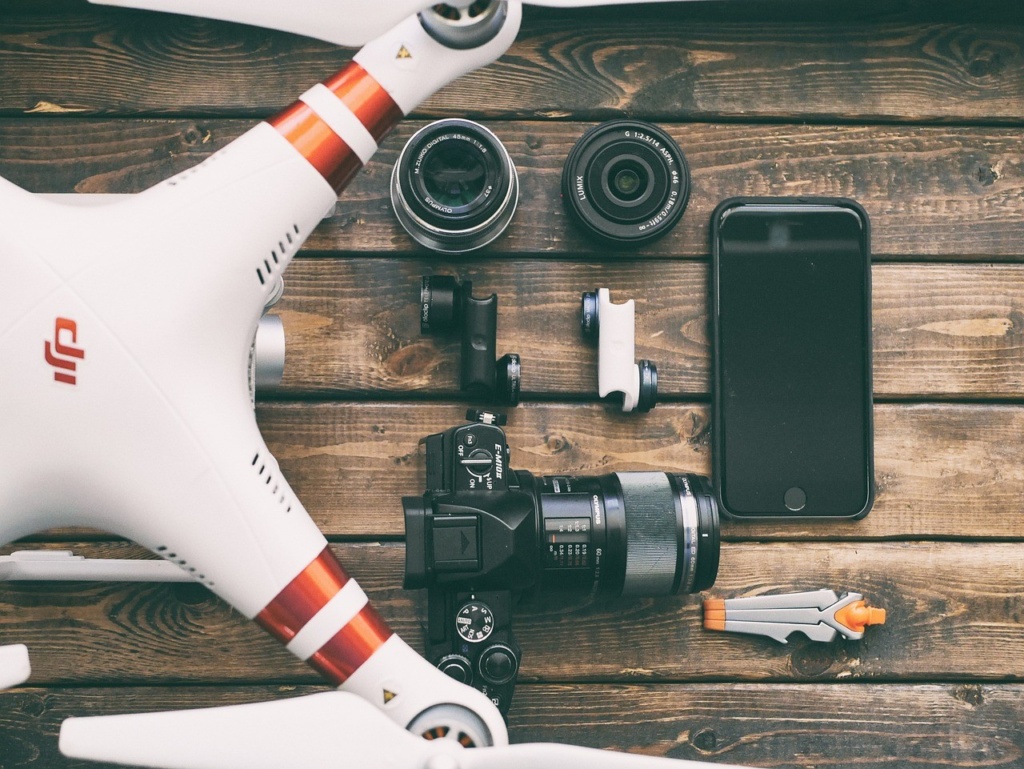
Photography and videography are among the most cherished investments in a wedding, capturing memories that last far beyond the celebration itself. For destination weddings, most photographers work on a flat package structure that includes travel days, meaning the quoted price covers not just the shoot but also the days spent traveling to and from the location, along with accommodation and logistics during the event. Couples opting for a single photographer covering the wedding can expect pricing in the range of approximately ₹2,86,740 to ₹7,64,640, ideal for more intimate celebrations or those working with a tighter budget. However, for a more comprehensive coverage experience which includes a full team with videography, drone coverage, and a second shooter to capture multiple angles and candid moments simultaneously costs typically range from ₹9,53,839 to ₹19,07,678. This higher tier best suits larger, multi-day destination weddings where couples prioritize cinematic storytelling, aerial shots, and seamless coverage across simultaneous events (like the bride and groom getting ready separately).
DECOR, FLORAL & STYLING

Décor, florals, and styling represent the category with the widest cost swing in wedding planning, simply because pricing here depends entirely on how much you're willing to spend rather than any fixed formula. This is the space where creative vision truly shapes the budget. A wedding can range from a beautifully simple floral decor setup with fresh blooms, drapery, and minimal styling, all the way to elaborate luxury LED panels, kinetic installations, and fully immersive stage designs that transform a venue into a completely custom experience. Everything from the choice of flowers (seasonal versus imported), the scale of mandap or stage design, lighting complexity, and personalized styling elements ultimately comes down to the couple's aesthetic vision and how far you want to push it making this category as flexible as it is limitless.
LEGAL FEES, OFFICIANT & PERMITS

Legal fees, officiant arrangements, and permits are often the most overlooked part of wedding planning, yet they're essential to ensure the marriage is valid and the celebration runs without regulatory hiccups. Couples should budget approximately ₹47,689 to ₹2,38,440 to cover essentials like documentation, sound license, NOC (No Objection Certificate), apostille certification, and officiant fees. Costs that can add up quickly, especially for destination or cross-border weddings requiring international recognition of the marriage. Since legal requirements vary widely by country — some demanding residency periods, translated documents, or in-person registration — it's critical to start this process 3 to 6 months in advance, allowing enough time for paperwork processing, certification approvals, and officiant bookings without last-minute stress or delays that could jeopardize the wedding date itself.
WEDDING PLANNER

A wedding planner creates a bridge between all the gaps — from navigating logistical nightmares and language barriers to finalizing the right vendors for your vision. Our role goes far beyond coordination; the real value lies in vendor negotiation and problem-solving, which is exactly what makes a planner one of the highest-ROI line items in the entire wedding budget. The savings and stress avoided often outweigh the cost many times over. We've got you covered an intimate single-ceremony wedding or a full three-day celebration complete with a welcome party, ceremony, and farewell brunch, we've got you covered every step of the way.
A destination wedding isn't inherently more expensive than a hometown wedding.We just weight it differently. Couples who plan with a clear-eyed budget, book 9-12 months out, and lean on a planner who knows the destination consistently end up with the best experience per rupee spent. That's exactly where WEDEPIC comes in. From budgeting to vendor negotiations to on-ground execution, we turn the complexity of destination weddings into a seamless, unforgettable celebration. Let's start your epic love era with Wedepic today and let's make it happen.
More from our blog
See all posts